
How to Prepare for the High Altitudes on Mount Kilimanjaro is essential for a safe and successful summit experience. With proper acclimatization, the right climbing route, physical training, and expert guidance from Awe Safari, climbers can reduce altitude sickness risks and enjoy a well-supported journey to Africa’s highest peak.
How to Prepare for the High Altitudes on Mount Kilimanjaro
Climbing Mount Kilimanjaro is a life-changing adventure, but its greatest challenge is not technical climbing—it is high altitude. Rising to 5,895 meters (19,341 feet), Kilimanjaro exposes hikers to thin air, reduced oxygen levels, and the risk of altitude-related illnesses. Proper preparation is the key to a safe, successful, and enjoyable summit experience.
At Awe Safari, a local tour operator based in Moshi, we prioritize climber safety and success. This guide explains how to prepare for Kilimanjaro’s high altitudes, covering physical training, acclimatization strategies, health tips, and expert advice from our experienced mountain team.
Understanding High Altitude on Mount Kilimanjaro
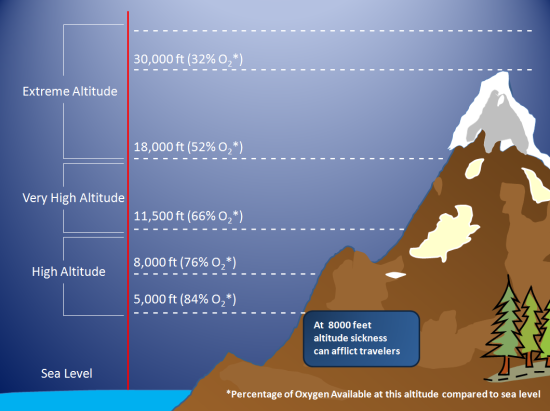 High altitude begins to affect the human body above 2,500 meters, and Kilimanjaro takes climbers well beyond this level in just a few days. As altitude increases, oxygen levels decrease, making breathing more difficult and slowing physical performance. The body needs time to adapt to these conditions through a process known as acclimatization.
Unlike technical mountains, Kilimanjaro’s accessibility often leads climbers to underestimate altitude challenges. Even fit hikers can experience symptoms if proper precautions are not taken. Understanding how altitude works is the first step toward successful preparation.
Common Altitude Sickness Symptoms to Know
Altitude sickness, also known as Acute Mountain Sickness (AMS), is common on Kilimanjaro. Symptoms may range from mild to severe and can include headaches, nausea, dizziness, fatigue, loss of appetite, and difficulty sleeping. In rare cases, serious conditions such as High Altitude Pulmonary Edema (HAPE) or High Altitude Cerebral Edema (HACE) can occur.
At Awe Safari, our guides are professionally trained to monitor climbers closely and respond quickly to any symptoms. Recognizing early signs and communicating openly with your guide greatly improves safety on the mountain.
Choose the Right Route for Better Acclimatization
One of the most important decisions when preparing for Kilimanjaro’s altitude is selecting the right route. Routes with longer durations allow the body more time to adapt, significantly increasing summit success rates.
Routes such as Lemosho, Machame, and Northern Circuit are highly recommended due to their gradual ascent profiles and built-in acclimatization days. Shorter routes like Marangu or Umbwe may be suitable for experienced hikers but carry a higher risk of altitude sickness.
Awe Safari carefully advises climbers on the best route based on experience level, fitness, and available time.

Spend Enough Days on the Mountain
Rushing to the summit is one of the biggest causes of altitude-related problems. Spending 7 to 9 days on Kilimanjaro dramatically improves acclimatization and success rates compared to shorter itineraries.
Additional days allow for gradual elevation gain and include important acclimatization hikes, such as “climb high, sleep low” practices. At Awe Safari, we strongly recommend longer itineraries, especially for first-time climbers, to maximize safety and enjoyment.
Physical Training for High Altitude Performance

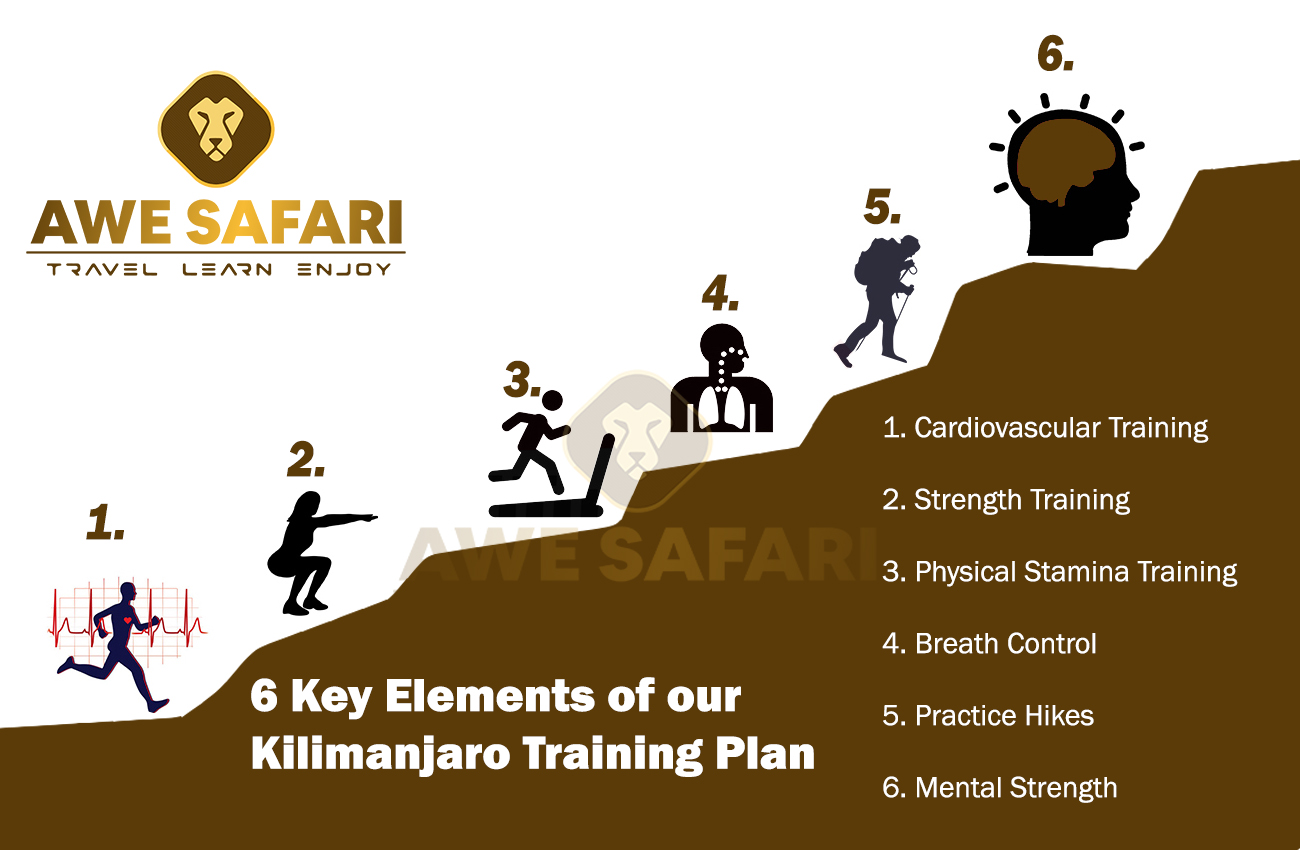
While altitude cannot be fully simulated at sea level, good physical conditioning helps your body cope better with reduced oxygen levels. Training should begin at least 8–12 weeks before your climb and focus on cardiovascular endurance, leg strength, and stamina.
Activities such as hiking with a backpack, stair climbing, cycling, swimming, and long-distance walking are excellent preparation methods. Strengthening your lungs and legs will reduce fatigue and allow your body to focus on acclimatization rather than exhaustion.
Practice Proper Hydration and Nutrition
Staying well hydrated is critical at high altitude. Dehydration worsens altitude symptoms and slows acclimatization. Climbers should aim to drink 3–4 liters of water per day while on the mountain.
Balanced meals rich in carbohydrates provide essential energy, while light proteins help muscle recovery. Awe Safari provides nutritious meals prepared by professional mountain cooks to support climbers throughout the journey.
Ascend Slowly and Follow Your Guide’s Pace
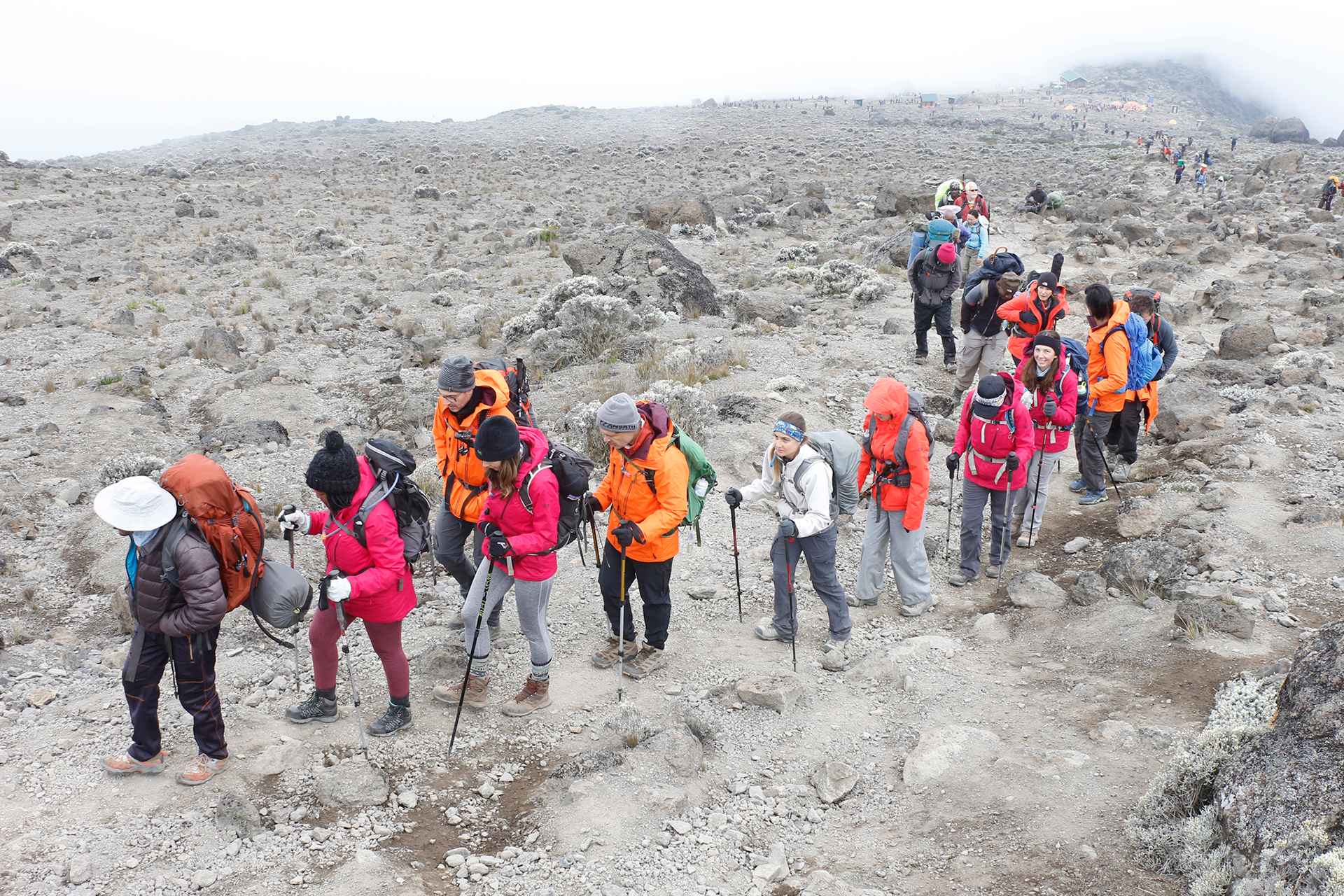
Kilimanjaro is not a race. Walking slowly—often referred to as “pole pole” in Swahili—is essential for successful acclimatization. Moving at a steady, controlled pace allows the body time to adapt and conserves energy for summit night.
Our experienced Awe Safari guides set a safe pace and ensure climbers follow altitude-friendly ascent principles. Trusting your guide and avoiding unnecessary exertion greatly improves summit success.
Get Enough Rest and Quality Sleep
Sleep is vital for altitude adjustment, even though it can be more difficult at higher elevations. Fatigue weakens the body’s ability to adapt, making proper rest essential.
Using a high-quality sleeping bag rated for cold temperatures, staying warm, and following a consistent sleep routine help improve rest on the mountain. Awe Safari provides quality camping equipment to ensure climbers remain comfortable and well-rested.
Consider Altitude Medication Carefully
Some climbers choose to use altitude medication such as Acetazolamide (Diamox) to assist acclimatization. This medication can help the body adapt faster by improving oxygen absorption.
However, medication should only be taken after consulting a medical professional. It is not a replacement for proper acclimatization, slow ascent, or listening to your body. Awe Safari guides support climbers regardless of whether medication is used.
Mental Preparation for High Altitude Challenges
Mental strength plays a major role in coping with altitude. High elevations can feel intimidating, especially during summit night when temperatures are cold and oxygen is minimal.
Staying positive, focused, and mentally prepared helps climbers push through difficult moments. Encouragement from guides, clear communication, and realistic expectations all contribute to mental resilience on Kilimanjaro.
Why Climb Kilimanjaro with Awe Safari?
As a local tour operator based in Moshi, Awe Safari has deep knowledge of Mount Kilimanjaro and its altitude challenges. Our professional guides are Wilderness First Responder trained, experienced in high-altitude safety, and committed to personalized climber care.
We offer well-planned itineraries, proper acclimatization schedules, quality equipment, and constant health monitoring to ensure a safe and memorable climbing experience.
Final Thoughts: Preparation Is the Key to Success
Preparing for high altitudes on Mount Kilimanjaro is essential for safety, comfort, and summit success. Choosing the right route, allowing enough days, training physically, staying hydrated, and trusting experienced guides all play a vital role.
With proper preparation and expert support from Awe Safari, your Kilimanjaro climb becomes not just achievable—but truly unforgettable.
