
Tanzania is one of Africa’s most celebrated safari destinations, offering extraordinary wildlife encounters, dramatic landscapes, and world-famous national parks such as the Serengeti, Ngorongoro Crater, Tarangire, and Lake Manyara. Choosing the best time of the year to visit Tanzania for a safari adventure plays a crucial role in the quality of wildlife viewing, weather comfort, and overall travel experience.
At Awe Safari, a local tour operator based in Moshi, we help travelers plan the perfect safari based on seasons, wildlife movements, and personal travel preferences. This guide explains Tanzania’s safari seasons in detail, helping you decide when to visit for the most rewarding experience.
Understanding Tanzania’s Safari Seasons
Tanzania experiences two main seasons: the dry season and the wet (green) season. Each season offers unique advantages depending on what kind of safari adventure you are looking for—whether it’s big game viewing, photography, birdwatching, or fewer crowds.
Unlike many destinations, Tanzania is a year-round safari country, but certain months stand out for specific wildlife events and travel styles.
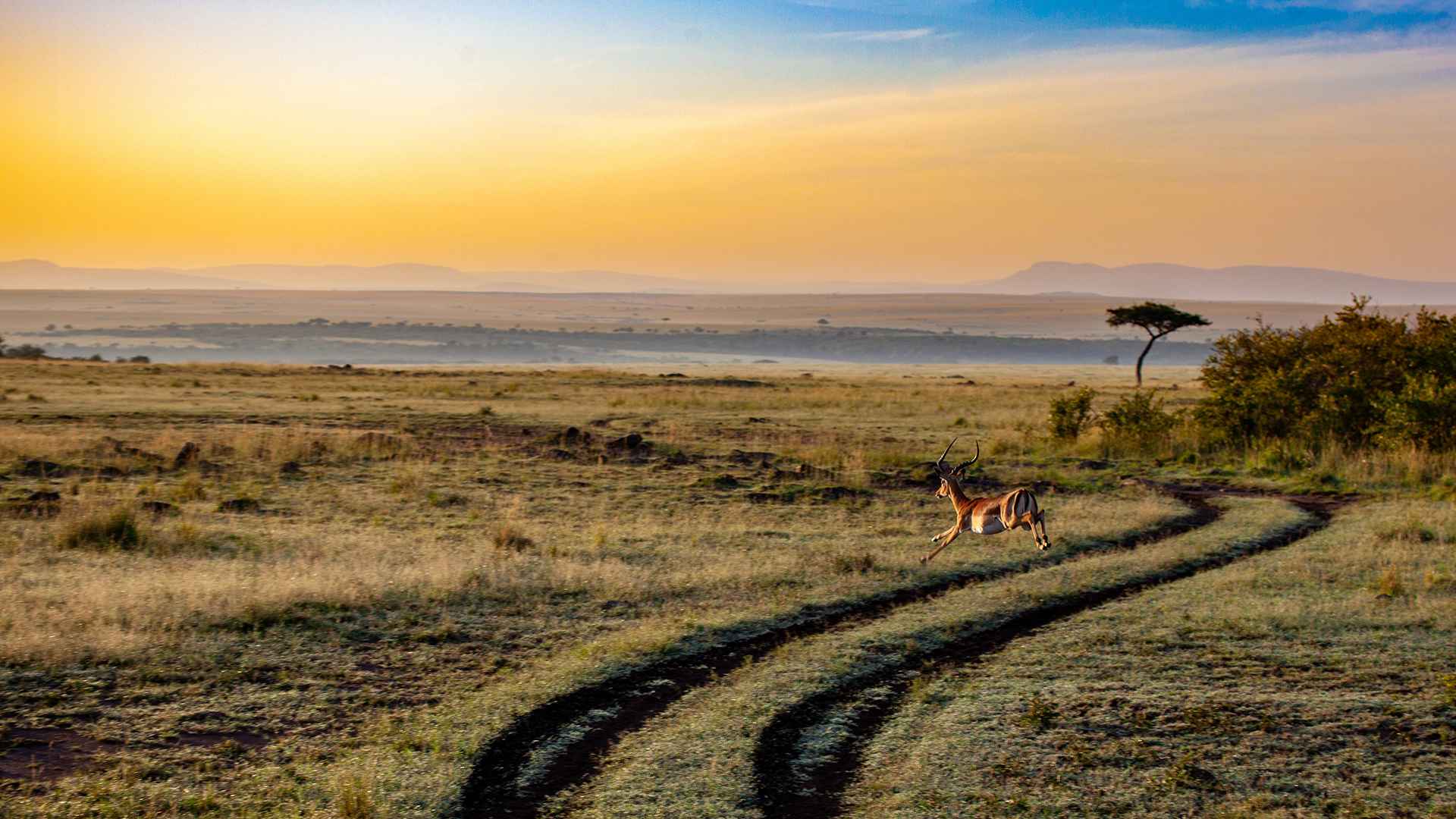
Dry Season (June to October): Best for Wildlife Viewing
The dry season is widely considered the best time to visit Tanzania for a classic safari adventure. During these months, rainfall is minimal, vegetation is thinner, and animals gather around rivers and waterholes, making wildlife easier to spot.
This period is ideal for game drives in the Serengeti, Ngorongoro Crater, Tarangire, and Ruaha National Park. The dry season also coincides with the Great Wildebeest Migration river crossings, especially between July and September in northern Serengeti.
Weather conditions are pleasant, with warm days and cooler evenings, making it comfortable for long game drives.
Great Migration Highlights During the Dry Season
From July to September, the Serengeti becomes the stage for dramatic river crossings at the Mara River. Thousands of wildebeest and zebras brave crocodile-infested waters, creating one of the most iconic wildlife spectacles in the world.
This is a peak travel period, so early booking is recommended. Awe Safari carefully plans migration-focused itineraries to maximize sightings while avoiding overcrowded areas.

Green Season (November to May): Best for Calving, Birdlife & Photography
The green season, also known as the wet season, transforms Tanzania into a lush paradise. Landscapes become vibrant, skies dramatic, and wildlife remains abundant. This season is especially appealing to photographers and travelers seeking quieter parks.
From January to March, the southern Serengeti and Ndutu region host the wildebeest calving season, when thousands of calves are born daily. This attracts predators such as lions, cheetahs, and hyenas, offering exceptional game viewing.
Birdwatchers will enjoy this season as migratory birds arrive, making Tanzania one of Africa’s top birding destinations.
Benefits of Traveling During the Green Season
Traveling during the green season often means fewer tourists, more intimate safari experiences, and better value for money. Lodges and camps may offer lower rates, and game drives feel more exclusive.
Although there may be short rain showers, they are usually brief and do not disrupt safari activities. Awe Safari designs flexible itineraries to ensure comfort and safety throughout the wet months.
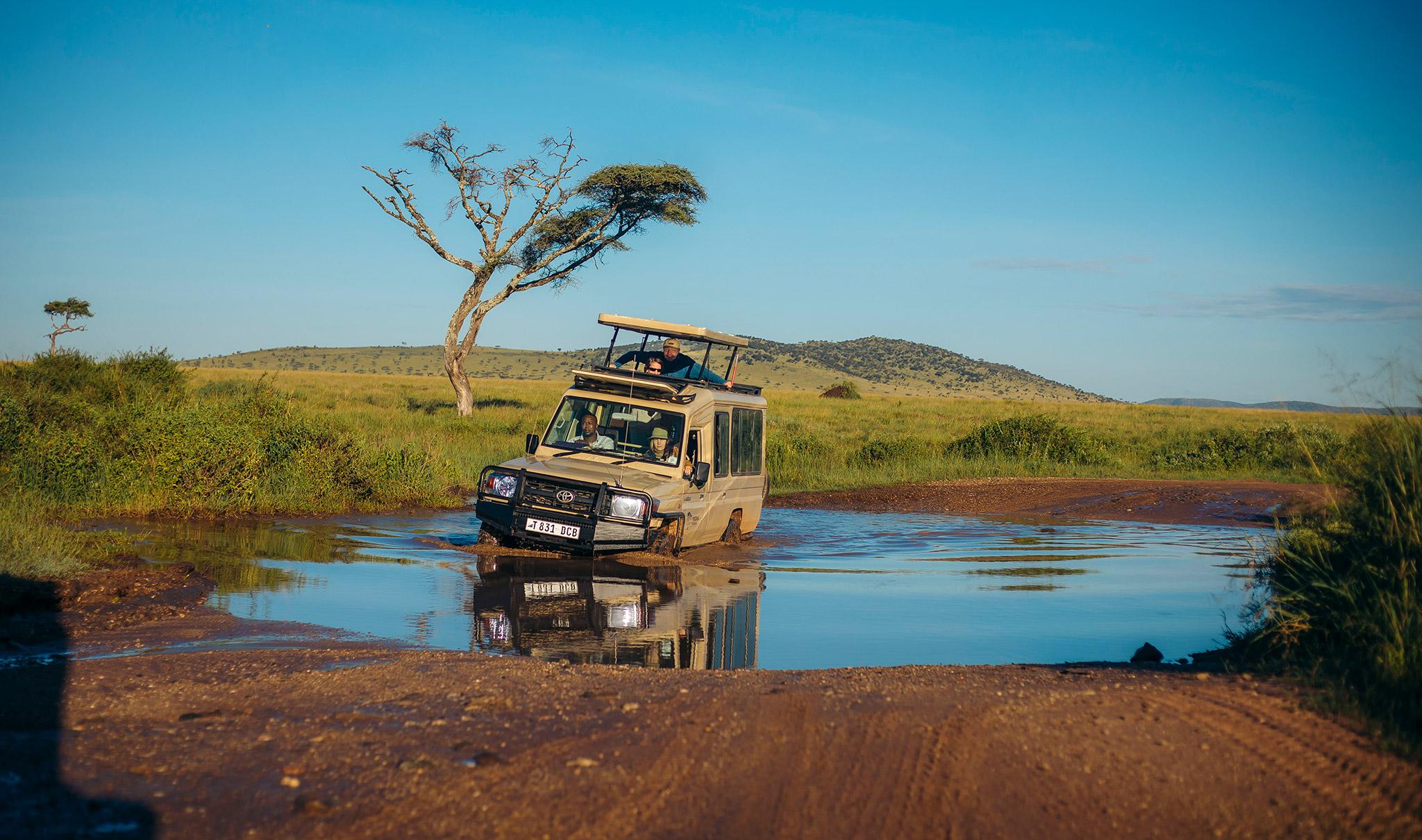
Best Time for a Serengeti Safari
The Serengeti offers outstanding wildlife viewing year-round, but the best time depends on what you want to see. For river crossings, June to September is ideal. For calving season and predator action, January to March in the Ndutu area is perfect.
No matter the season, Awe Safari tailors Serengeti safaris based on migration movements and wildlife patterns to ensure the best possible experience.
Best Time to Visit Ngorongoro Crater
Ngorongoro Crater is one of Tanzania’s most reliable wildlife destinations and can be visited throughout the year. The dry season offers easier wildlife spotting, while the green season provides lush scenery and fewer crowds.
Because animals remain inside the crater year-round, visitors are almost guaranteed to see elephants, lions, rhinos, buffalo, and flamingos regardless of the season.
Best Time to Combine Safari and Beach Holiday
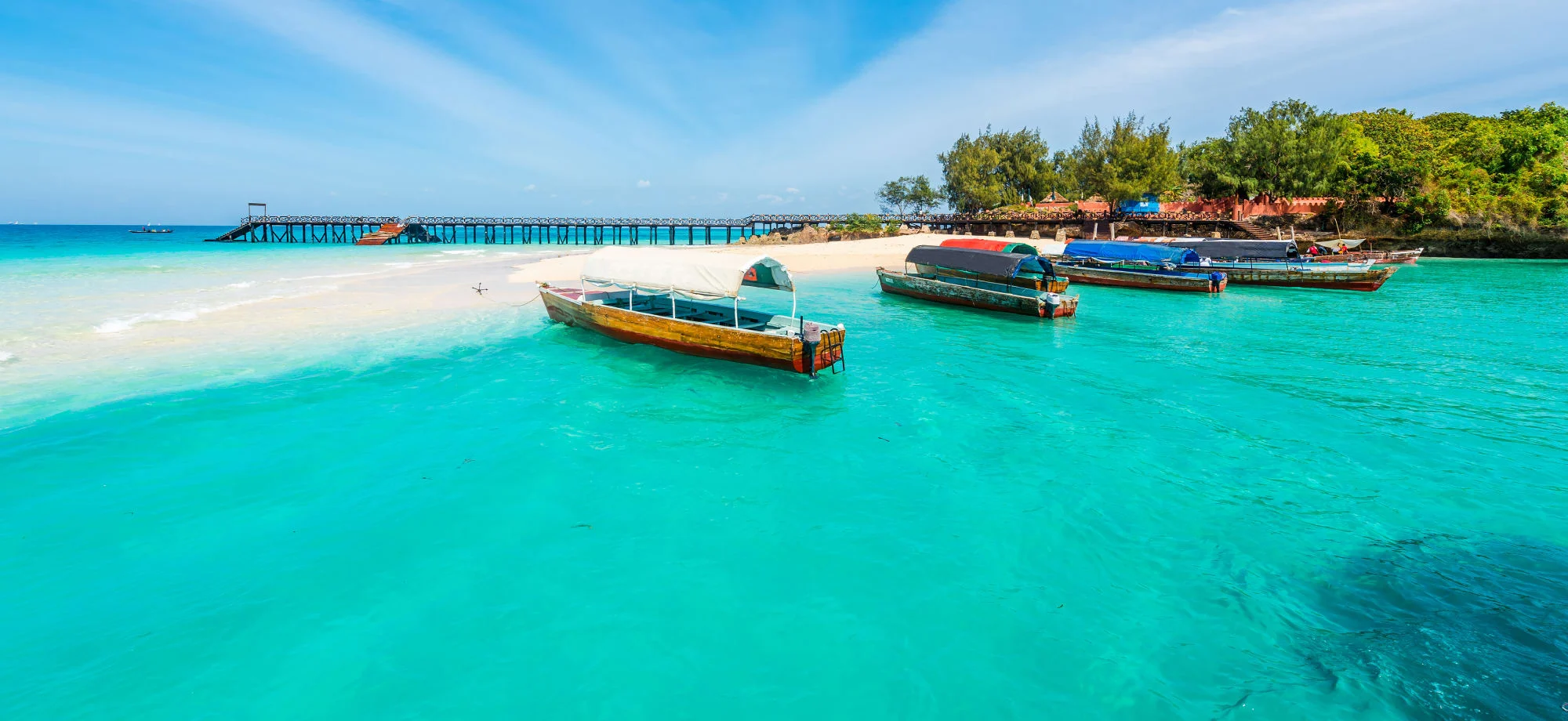
For travelers looking to combine a Tanzania safari with a Zanzibar beach holiday, the best months are June to October and January to March. These periods offer excellent safari conditions and ideal beach weather along Tanzania’s coast and Zanzibar islands.
Awe Safari specializes in seamless safari-and-beach combinations, allowing travelers to enjoy thrilling game drives followed by relaxing days on white-sand beaches.
Best Time for Budget and Fewer Crowds
If you are looking for a more affordable safari experience with fewer tourists, the green season offers excellent value. Parks are quieter, landscapes are stunning, and wildlife viewing remains rewarding.
Awe Safari provides well-priced safari packages during this period without compromising on quality or safety.
Why Travel with Awe Safari?
As a local tour operator based in Moshi, Awe Safari has in-depth knowledge of Tanzania’s seasons, wildlife behavior, and park logistics. Our experienced guides design personalized safari itineraries that match your travel goals, budget, and preferred travel period.
We organize game drive safaris, walking safaris, cultural experiences, trekking tours to Mount Kilimanjaro, and beach holidays, ensuring a complete Tanzania adventure.
Final Thoughts: When Is the Best Time to Visit Tanzania?
The best time to visit Tanzania for a safari adventure depends on your interests. The dry season offers exceptional wildlife viewing and migration river crossings, while the green season delivers calving events, birdlife, and quieter parks.
With expert planning and local insight from Awe Safari, every season becomes the right season to explore Tanzania’s incredible wildlife.
