
A Complete Guide by Awe Safari
Vegan and Vegetarian Food Options on Mount Kilimanjaro are well catered for when you climb with experienced local operators like Awe Safari. From energy-rich plant-based meals to carefully prepared vegetarian dishes, climbers can enjoy nutritious, safe, and satisfying food throughout the trek, ensuring proper energy, comfort, and a successful summit experience at high altitude.
Vegan and Vegetarian Food Options on Mount Kilimanjaro
Climbing Mount Kilimanjaro is a life-changing adventure, and proper nutrition plays a major role in your comfort, energy levels, and overall success on the mountain. For travelers who follow a vegan or vegetarian diet, a common question is whether suitable meals are available during the trek. The good news is yes—with the right operator, vegan and vegetarian food options on Mount Kilimanjaro are not only possible but also nourishing and satisfying.
At Awe Safari, we carefully plan plant-based meals to ensure our guests receive balanced, high-energy nutrition throughout their climb.
Understanding Food Logistics on Mount Kilimanjaro
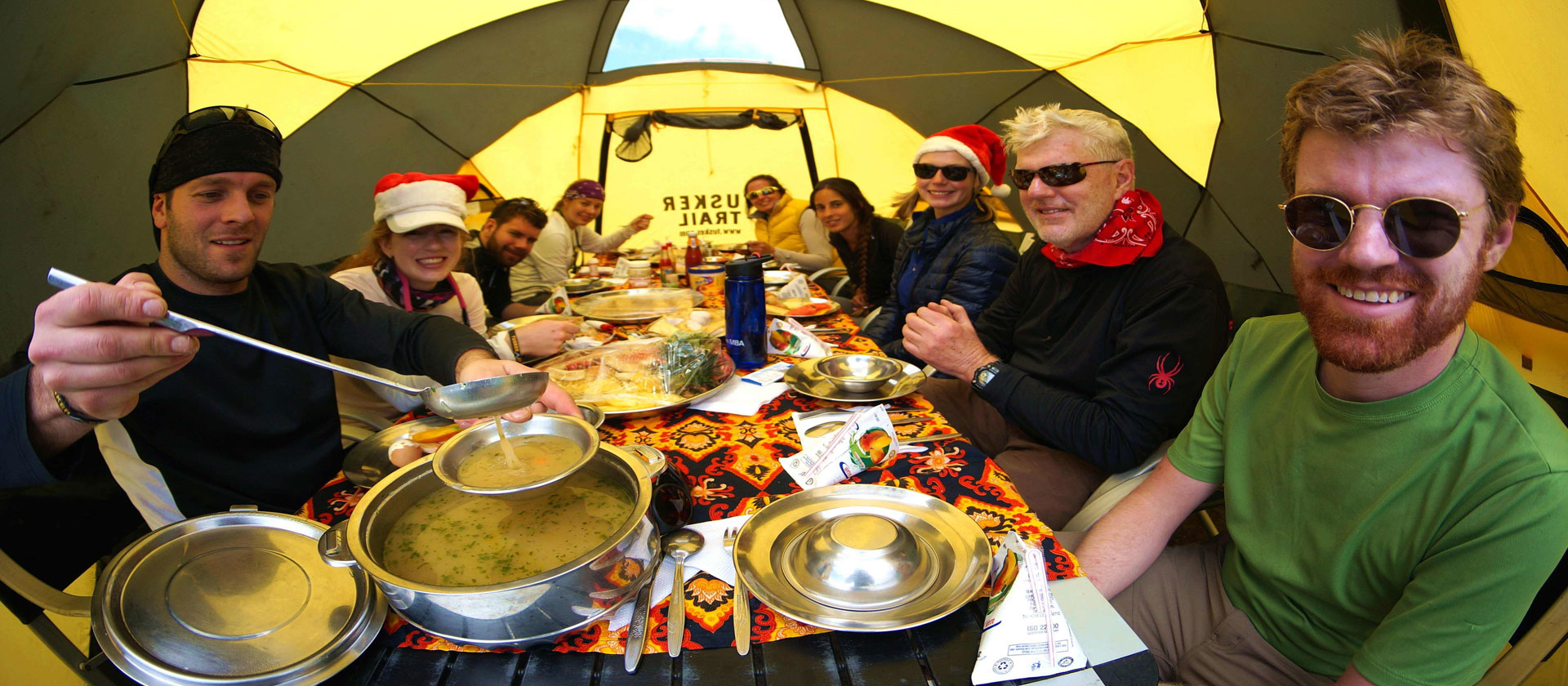
All meals on Mount Kilimanjaro are prepared by professional mountain cooks who travel with the climbing team. Ingredients are carried from the base of the mountain and replenished at designated points. Because of the remote environment and high altitude, meals must be simple, energy-dense, and easy to digest.
For vegan and vegetarian climbers, advance planning is essential. When dietary preferences are communicated early, our team ensures the right ingredients and cooking methods are arranged from the start.
Vegetarian Food Options on Kilimanjaro
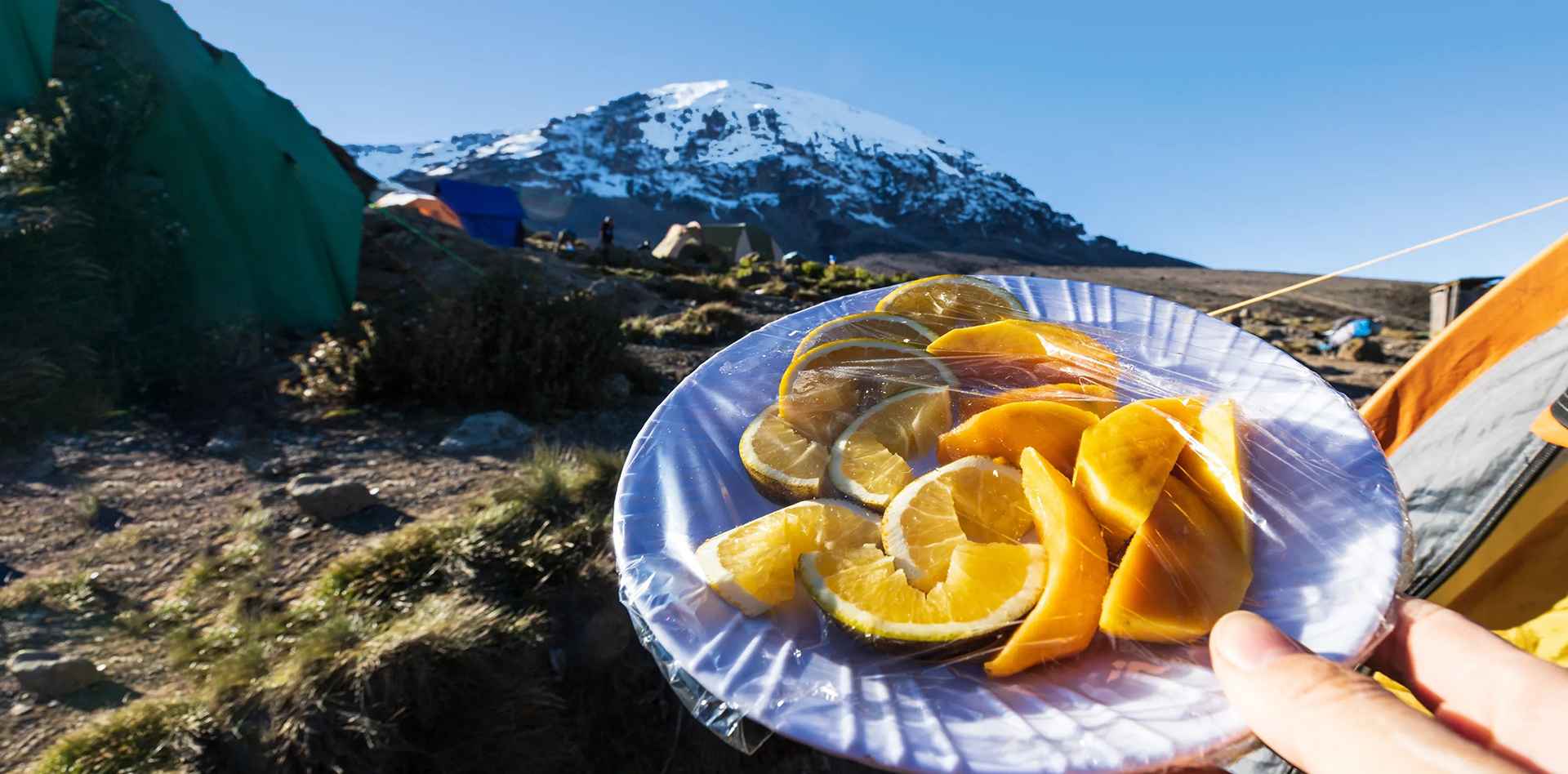
Vegetarian climbers can expect a wide variety of wholesome meals during their trek. Typical vegetarian options include fresh vegetables, fruits, rice, pasta, potatoes, beans, lentils, and eggs (for ovo-vegetarians). Meals are designed to provide enough carbohydrates for energy and proteins for muscle recovery.
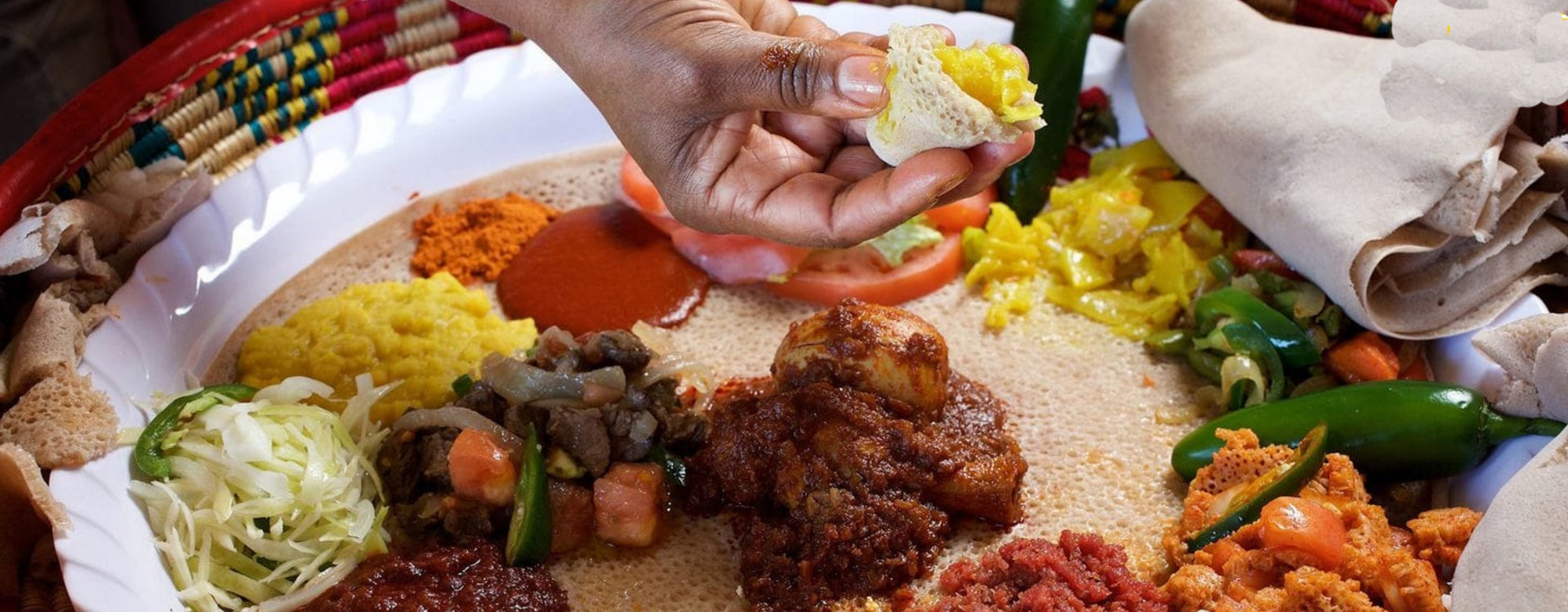
Common vegetarian dishes on the mountain may include vegetable soups, pasta with tomato or vegetable sauces, fried or mashed potatoes, vegetable curries, pancakes, chapati, and omelets. These meals are filling, familiar, and well-suited to the physical demands of high-altitude trekking.
Vegan Food Options on Kilimanjaro
Vegan climbers are also well catered for when trekking with an experienced operator like Awe Safari. Vegan meals exclude all animal products while still focusing on nutrition, energy, and taste. Our mountain cooks prepare meals using plant-based ingredients such as vegetables, legumes, grains, fruits, nuts, and seeds.
Typical vegan meals include vegetable stews, lentil or bean dishes, rice, pasta with vegetable sauces, sautéed greens, fresh fruit platters, porridge made with water or plant-based alternatives, and energy-rich snacks. These meals are light on the stomach and help maintain strength at altitude.
Nutrition and Energy at High Altitude
At high altitude, your body burns more calories and may experience reduced appetite. Vegan and vegetarian meals on Kilimanjaro are planned to be high in carbohydrates, moderate in protein, and low in heavy fats, making them easier to digest.
Foods such as rice, pasta, potatoes, bananas, avocados, and legumes help maintain energy levels and reduce fatigue. Warm meals and soups are especially important, as they help with hydration and comfort in cold mountain conditions.
Breakfast, Lunch, and Dinner on the Mountain
Each day on Kilimanjaro includes three main meals and snacks. Breakfast often consists of porridge, bread, fruit, tea, and coffee. Vegetarian or vegan climbers may also enjoy peanut butter, jam, and plant-based spreads.
Lunch is usually a picnic meal eaten on the trail or upon arrival at camp, featuring sandwiches, fruits, and light snacks. Dinner is the main meal of the day and typically includes soup, a carbohydrate-rich main dish, vegetables, and fruit for dessert. All meals can be adapted to suit vegan or vegetarian requirements.
Special Dietary Requests and Communication
Clear communication is key to a successful vegan or vegetarian Kilimanjaro climb. Guests are encouraged to inform Awe Safari of their dietary needs during the booking process. This allows our team to prepare suitable menus, source appropriate ingredients, and brief the mountain cooks in advance.
For climbers with additional dietary restrictions—such as gluten-free, lactose-free, or food allergies—extra planning ensures meals remain safe and enjoyable.
Food Hygiene and Safety on Kilimanjaro
Food safety is especially important in a mountain environment. All meals are prepared using clean utensils, treated water, and proper hygiene standards. Vegetables and fruits are washed with purified water, and meals are cooked fresh daily. This careful approach helps prevent stomach issues and keeps climbers healthy throughout the trek.
Why Choose Awe Safari for Vegan and Vegetarian Climbers?
At Awe Safari, we understand that dietary preferences are personal and important. Our experienced guides and mountain cooks are well-versed in preparing vegan and vegetarian food options on Mount Kilimanjaro without compromising nutrition or taste. We focus on balanced meals, proper planning, and clear communication to ensure every climber feels supported and well-fed.
Final Thoughts
Following a vegan or vegetarian diet should never be a barrier to climbing Mount Kilimanjaro. With thoughtful planning, experienced staff, and the right ingredients, plant-based meals on the mountain can be both nourishing and enjoyable.
Climbing Kilimanjaro with Awe Safari means you can focus on the adventure, confident that your dietary needs will be respected and professionally handled from start to summit.
