
Acclimatization on Mount Kilimanjaro is one of the most important factors that determine whether climbers safely reach the summit of Uhuru Peak. Standing at 5,895 meters (19,341 feet), Mount Kilimanjaro is the highest mountain in Africa and presents a serious altitude challenge despite not requiring technical climbing skills. At Awe Safari, we strongly emphasize proper acclimatization because it greatly increases summit success rates while protecting climbers’ health and well-being.
What Is Acclimatization on Mount Kilimanjaro?
Acclimatization is the natural process by which the body adapts to lower oxygen levels at high altitude. As you ascend Mount Kilimanjaro, the air becomes thinner, meaning less oxygen is available with each breath. The body responds by producing more red blood cells, adjusting breathing patterns, and improving oxygen efficiency.
This adaptation does not happen instantly. It requires time, gradual altitude gain, and proper rest. Without adequate acclimatization, climbers are at high risk of altitude-related illnesses, which is why a slow and steady ascent is essential for a safe Kilimanjaro climb.
Why Acclimatization Is Critical for Kilimanjaro Climbers
Unlike many high-altitude mountains, Mount Kilimanjaro is often climbed rapidly, which increases the risk of altitude sickness. Many climbers underestimate the effects of altitude because the trek is non-technical. However, altitude sickness can affect anyone, regardless of age, fitness level, or previous hiking experience.
Proper acclimatization allows climbers to sleep lower than their maximum daily altitude, gives the body time to recover, and significantly improves comfort and energy levels. At Awe Safari, our itineraries are carefully designed to prioritize acclimatization rather than rushing to the summit.
Symptoms of Poor Acclimatization
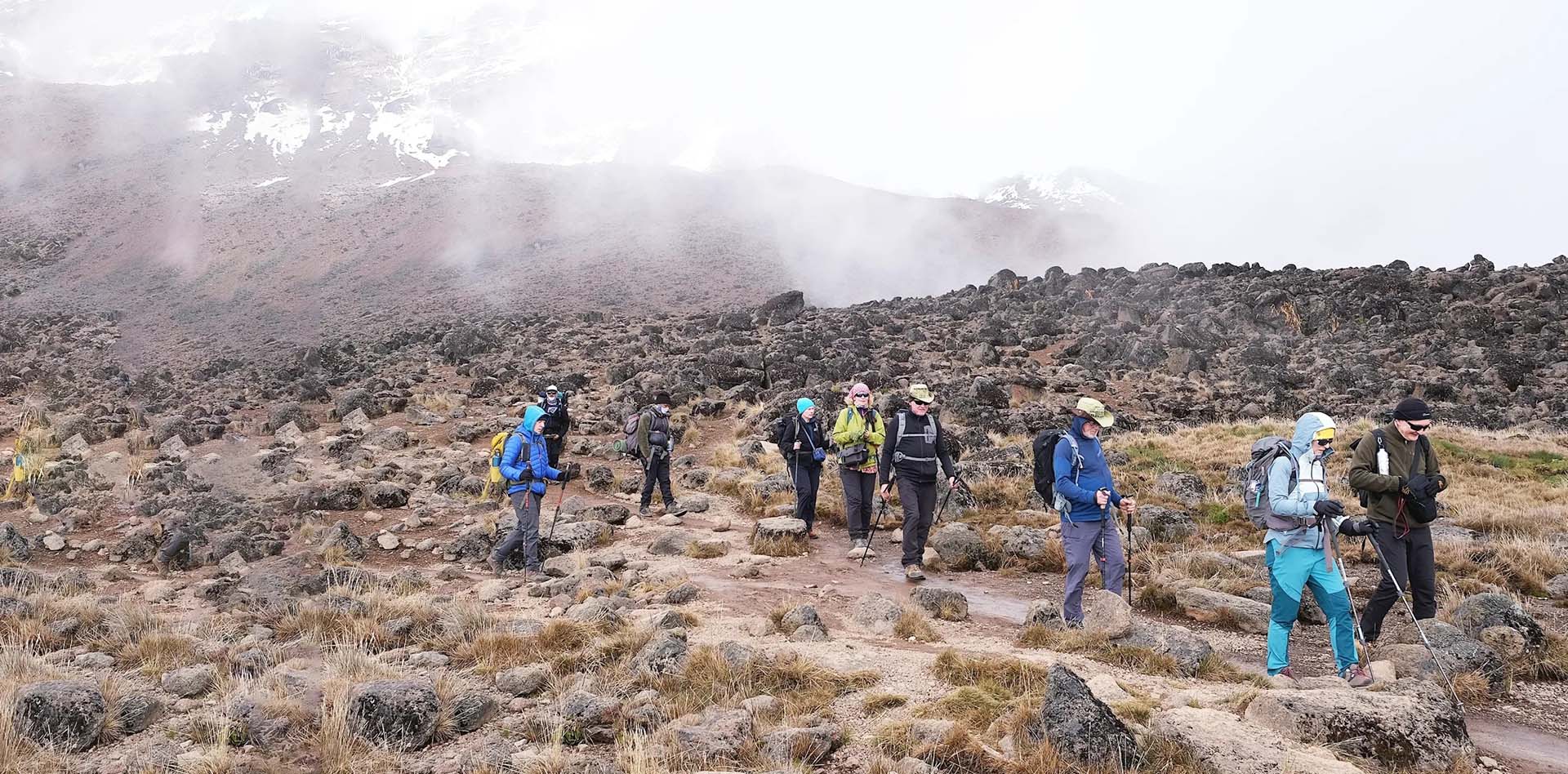
When the body struggles to adjust to altitude, climbers may experience symptoms of Acute Mountain Sickness (AMS). These can include headaches, nausea, dizziness, fatigue, loss of appetite, and difficulty sleeping. If ignored, AMS can progress into more serious conditions such as High Altitude Pulmonary Edema (HAPE) or High Altitude Cerebral Edema (HACE), both of which require immediate descent.
This is why daily health checks, honest communication with guides, and proper acclimatization strategies are essential throughout the climb.
Best Acclimatization Practices on Mount Kilimanjaro
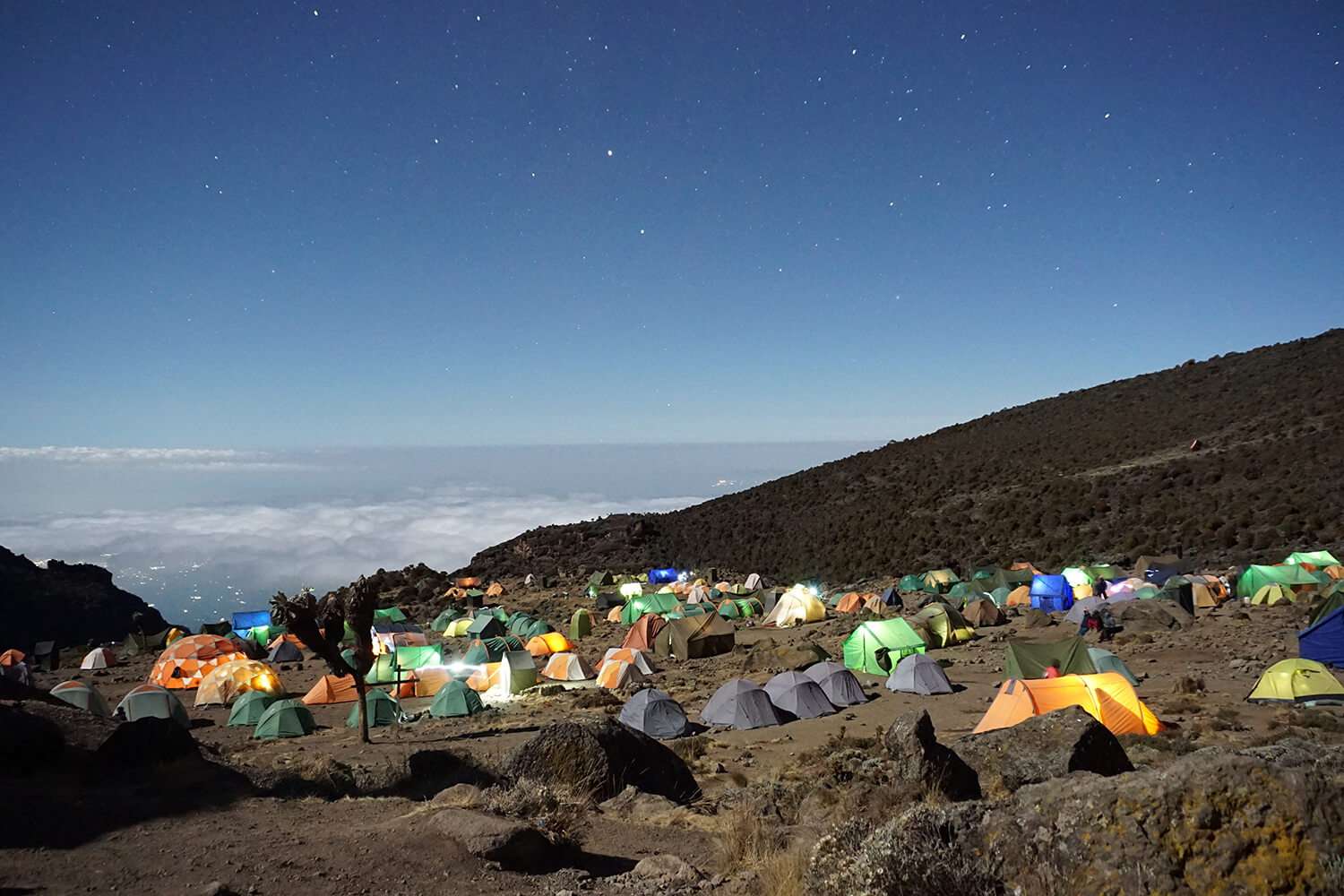
One of the most effective acclimatization strategies is following the principle of “climb high, sleep low.” This means gaining altitude during the day but descending slightly to sleep at a lower elevation, allowing the body more time to adjust. Kilimanjaro Routes that naturally support this pattern tend to have higher summit success rates.
Hydration also plays a vital role in acclimatization. Drinking enough water helps the body transport oxygen more efficiently and reduces altitude-related symptoms. Equally important is maintaining proper nutrition, even when appetite decreases at higher elevations.
At Awe Safari, our mountain crews closely monitor climbers, encourage slow walking speeds, and ensure adequate rest breaks to support the acclimatization process.
How Route Choice Affects Acclimatization
Not all Kilimanjaro routes offer the same acclimatization profile. Longer routes with gradual elevation gain provide better opportunities for adaptation. Routes such as Lemosho and Northern Circuit are widely considered the best for acclimatization due to their extended duration and varied altitude exposure.
Shorter routes like Marangu or Umbwe can be more challenging in terms of acclimatization because they ascend more quickly. While these routes can still be successful, they require careful pacing and are better suited for climbers who allow extra days or already have high-altitude experience.
Awe Safari advises clients on the best route and itinerary length based on experience, fitness, and safety priorities.
Role of Extra Days in Improving Acclimatization
Adding extra days to your Kilimanjaro itinerary is one of the most effective ways to improve acclimatization. An additional acclimatization day allows the body to adjust without increasing altitude, reducing fatigue and lowering the risk of altitude sickness.
Studies and climbing statistics consistently show that longer itineraries have higher summit success rates. At Awe Safari, we strongly recommend routes of 7–8 days or more for climbers who want the safest and most enjoyable experience.
Guide Support and Acclimatization Monitoring
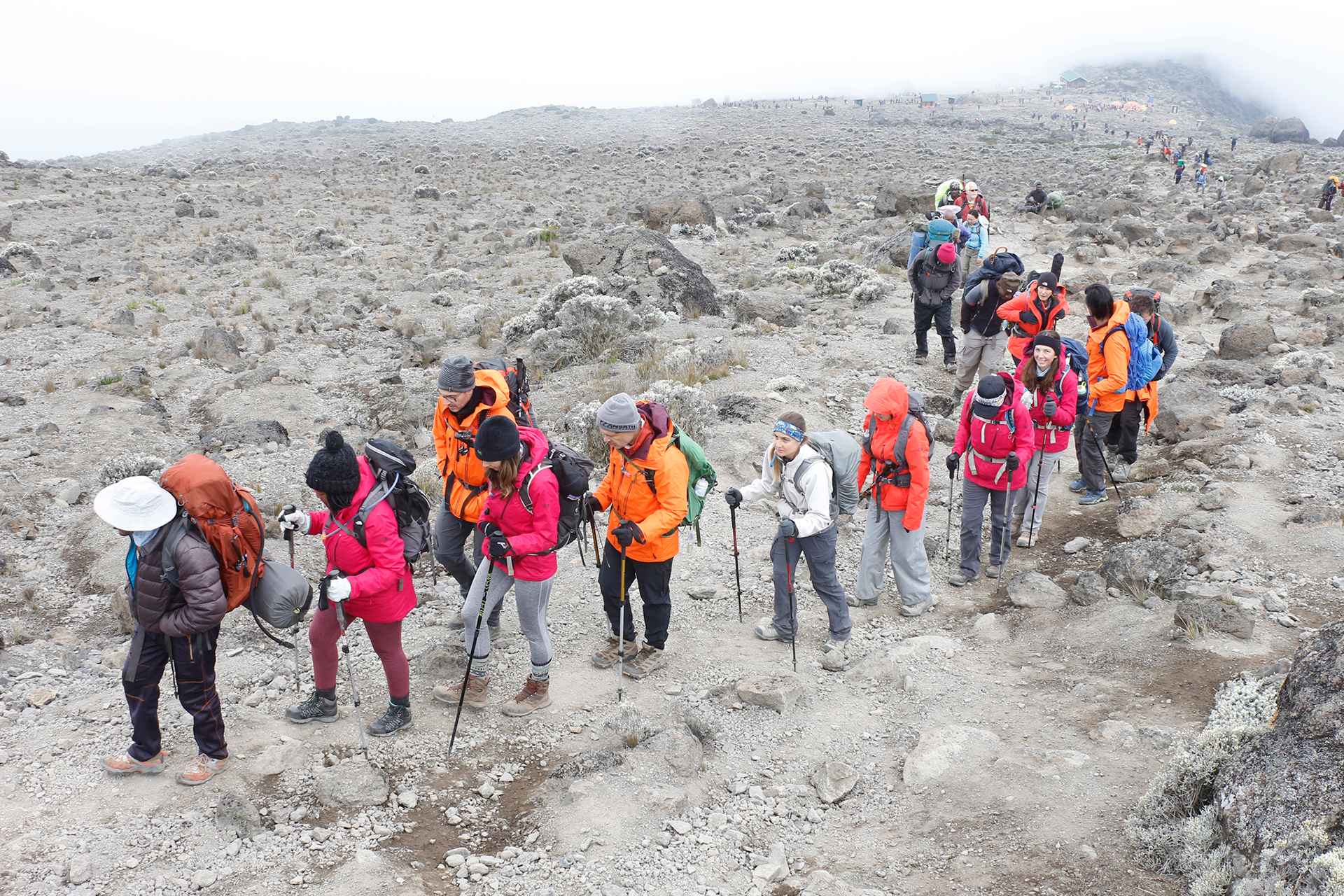
Experienced local guides play a crucial role in acclimatization on Mount Kilimanjaro. At Awe Safari, our licensed mountain guides conduct regular health checks, monitor oxygen levels when necessary, and watch for early signs of altitude sickness.
Guides also control the climbing pace, which is essential for acclimatization. Walking slowly, often referred to as “pole pole” in Swahili, is not a sign of weakness but a proven strategy for summit success.
Can Physical Fitness Replace Acclimatization?
Physical fitness is helpful for endurance and strength, but it does not protect against altitude sickness. Even very fit athletes can suffer from poor acclimatization if they ascend too quickly. Acclimatization depends on physiological adaptation, not fitness alone.
This is why Awe Safari focuses on itinerary design, route choice, and pacing rather than speed or physical performance.
Why Proper Acclimatization Leads to Summit Success
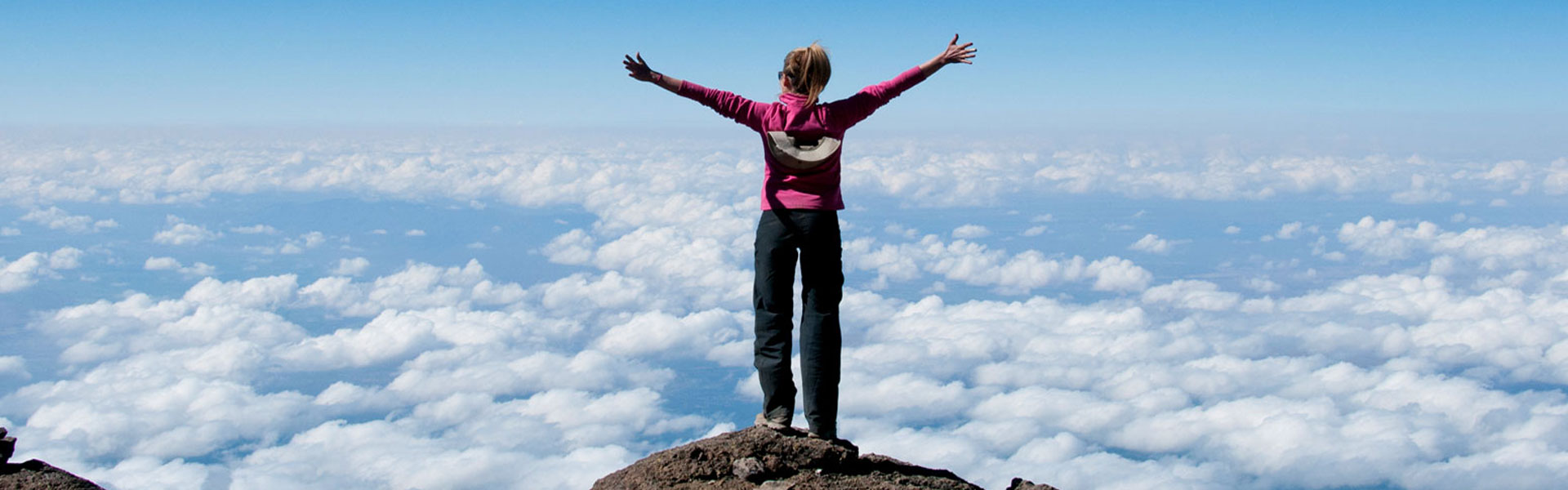
Climbers who acclimatize well enjoy better sleep, stronger energy levels, improved morale, and a much higher chance of reaching Uhuru Peak. They also experience the climb as a journey rather than a struggle, allowing them to appreciate Kilimanjaro’s changing landscapes, from rainforest to alpine desert.
At Awe Safari, our goal is not just reaching the summit, but ensuring climbers do so safely, responsibly, and with unforgettable memories.
Acclimatization on Mount Kilimanjaro with Awe Safari
Acclimatization on Mount Kilimanjaro is not optional—it is essential. Choosing the right route, allowing enough days, staying hydrated, and climbing with experienced local guides makes all the difference. With Awe Safari, every Kilimanjaro itinerary is carefully structured to support proper acclimatization and maximize summit success while prioritizing your safety and comfort.
If you are planning your Kilimanjaro climb and want expert guidance on acclimatization, Awe Safari is ready to help you prepare for a safe and rewarding journey to the Roof of Africa.
